
Your first visit
Are you not yet a patient with us? Read how to register and how the first appointment goes. In your application, you can already explain your questions and wishes.
Information for new patientsA brace can improve the alignment of your teeth and your bite. Discover the possibilities, the course of treatment, and the importance of aftercare.
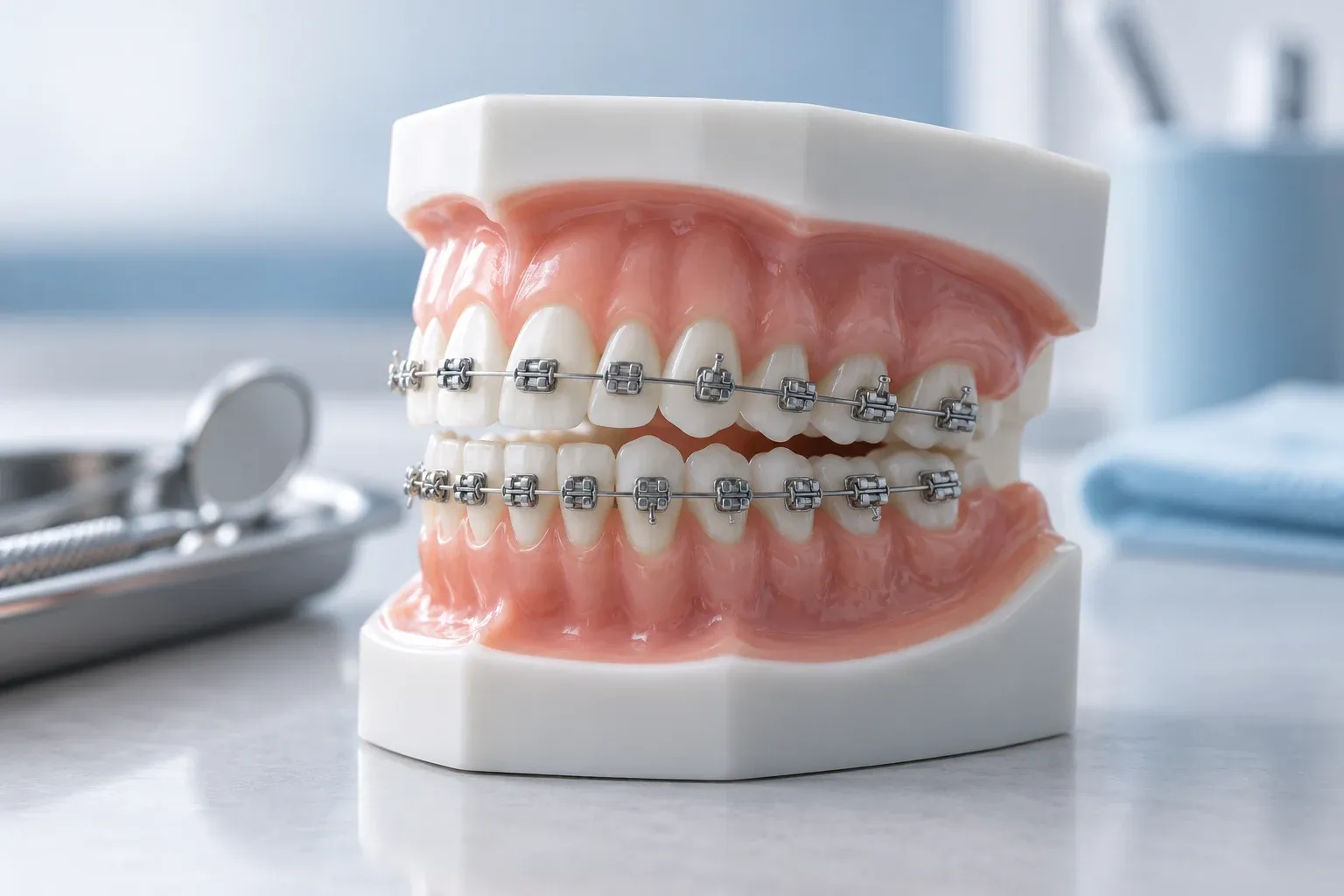
Braces are an effective way to correct the alignment of your teeth and bite. Here you can read more about the examination, the different brace options, maintenance, and retention.
A brace treatment focuses on improving the alignment of your teeth and bite. This can contribute to a more beautiful smile and prevent future problems. The process begins with a thorough examination, after which a treatment plan is drawn up. The type of brace that is suitable for you depends on your personal situation and preferences.
The alignment of your teeth and how your molars fit together are crucial for a healthy smile. An incorrect bite can lead to wear, pain, and other issues. During an initial consultation, your teeth will be thoroughly assessed to determine the necessary corrections.
Your dentist or orthodontist will look at factors such as the position of your teeth, the space in your mouth, and the symmetry of your face. This information helps in determining the right type of brace and the expected duration of treatment. The goal is a functional and aesthetically pleasing bite.
After the initial assessment, a more detailed examination follows, often with X-rays to view the underlying structures. This helps in creating a detailed treatment plan. This plan includes the brace options that best suit your situation and the steps needed for a successful treatment.
The treatment plan will be discussed with you so that you are well-informed about the expected results and the process. You can ask questions and share your concerns, so that together the best solution can be sought. This ensures a transparent and collaborative approach.
There are various types of braces available, each with its own advantages and limitations. Traditional metal braces are effective and often the most commonly used, while ceramic braces are less visible and can be more aesthetically pleasing. There are also aligners, which are removable and less noticeable.
The choice of a particular brace depends on your personal situation, such as the degree of correction needed and your preferences. It is important to work with your provider to explore the options and make the best choice for your teeth.
Maintaining your brace is essential for a successful treatment. Regular check-ups with your dentist or orthodontist ensure that progress is monitored and that any adjustments are made in a timely manner. Additionally, good oral hygiene is crucial to prevent tooth decay and other complications.
After the removal of the brace, aftercare is important. This may involve getting a retainer to maintain the new position of your teeth. It is important to follow your provider's instructions so that your teeth remain in the desired position.
The costs of a brace treatment can vary depending on the type of brace and the duration of treatment. It is wise to discuss a cost overview in advance so that you are not faced with surprises. Sometimes braces are partially covered by health insurers.
It is advisable to check with your insurer what reimbursements apply. This can help you make an informed choice and plan your treatment.
During the first consultation, your teeth will be assessed and your wishes will be discussed.
After the consultation, a more extensive examination will follow with X-rays for a detailed treatment plan.
Together with your practitioner, you will choose the braces that best suit your situation.
Regular check-ups are necessary during the treatment to monitor progress.
After the treatment, aftercare is important to maintain the new dental alignment.
The duration of orthodontic treatment varies, but usually ranges from 1 to 3 years, depending on the complexity of your situation.
Wearing braces can be uncomfortable at first, but most people do not experience severe pain. Your practitioner can provide tips to alleviate discomfort.
It is not advisable to adjust your braces yourself. This can lead to complications. Always contact your practitioner if something does not feel right.
Yes, it is wise to avoid certain hard or sticky foods to prevent damage to the braces. Your practitioner can provide specific guidelines.
After the braces are removed, you will often receive a retainer to maintain the new tooth position. It is important to wear this according to instructions.
Are you not yet a patient with us? Read how to register and how the first appointment goes. In your application, you can already explain your questions and wishes.
Information for new patientsAre you apprehensive about an appointment? Tell us what you are worried about. Read more about our guidance and discuss what explanation or support you would find helpful.
Dealing with fear of the dentistAsk what treatment is being proposed and what costs are associated with it. Do you have questions about payment? Check the information about payment options or contact us.
Payment and payment optionsRequest an appointment, and we will see together what is needed.
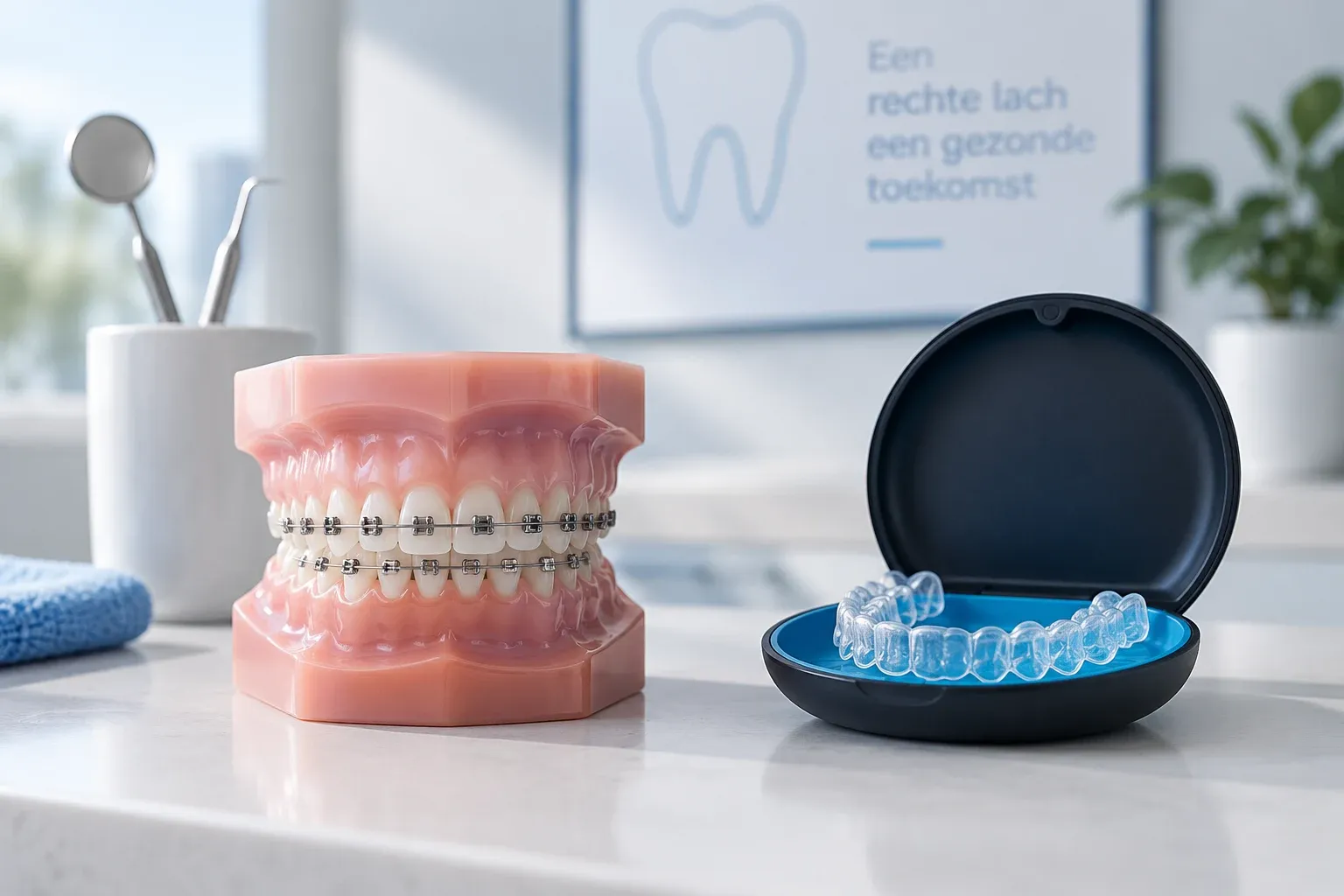
Orthodontics focuses on improving tooth alignment and bite. This can be for both children and adults. A good treatment plan and aftercare are essential for the result.
View options
On this page, you will read everything about anesthesia and comfort during dental treatments. We discuss local anesthesia, preparation, aftercare, and more.
View options
Emergency care for dental complaints requires a telephone assessment. In case of severe symptoms such as shortness of breath or swallowing problems with swelling, immediate help is necessary.
View options