
Your first visit
Are you not yet a patient with us? Read how to register and how the first appointment goes. In your application, you can already explain your questions and wishes.
Information for new patientsSealing is an effective way to protect the grooves of molars from cavities. Discover how this can contribute to your oral health.

Sealants help to shield grooves in molars and thus prevent cavities. Read more about the indications, the process, and aftercare.
Sealing is a preventive treatment in which a protective layer is applied to the grooves of molars. This helps to prevent cavities, especially in children and adolescents whose teeth are still developing. Sealing is a simple and effective way to promote oral health. It is important to understand that sealing is not a substitute for good oral hygiene, but a valuable addition. By undergoing this treatment, you can contribute to a healthier dentition in the long term.
The grooves in molars are often difficult to keep clean with a toothbrush, making them susceptible to caries. By sealing these grooves, the chance of cavities is significantly reduced. Sealing is done with a special plastic that is applied to the grooves and hardens, creating a smooth protective layer. This prevents food residues and bacteria from accumulating in the grooves.
This treatment is especially effective for children, but adults can also benefit from sealing. It is a quick procedure that can usually be performed in one appointment. The sealants typically last for several years, provided they are well maintained. It is important to know that sealing is a preventive measure and that good oral hygiene must always be maintained, even after the application of sealants.
Sealing is not necessary for everyone. The decision to seal depends on various factors, such as age, the risk of cavities, and dental health. Your dentist can advise you whether sealing is a good option for you or your child, based on a thorough assessment of the dentition. This may also involve looking at previous dental issues or overall oral hygiene.
It is important to know that sealing does not automatically mean that no further dental care is needed. Regular check-ups remain essential to ensure overall oral health. Your dentist can also advise you on additional preventive measures, such as fluoride treatments or dietary adjustments, to further reduce the risk of cavities.
Although sealing is an effective measure, it does not replace the need for good oral hygiene. Regularly brushing teeth, flossing, and avoiding excessive sugar intake remain crucial for maintaining a healthy dentition. Sealing is an addition to these habits and provides extra protection. It helps to protect the vulnerable grooves, but it is not a guarantee that cavities cannot occur.
Additionally, fluoride treatments can also play a valuable role in cavity prevention. Discuss with your dentist which combination of treatments best suits your situation. It is also useful to regularly evaluate whether your oral hygiene practices are effective and to make adjustments where necessary. Your dentist can guide you in this.
After the application of sealants, it is important to have them regularly checked to see if the protective layer is still intact. During the annual check-up, your dentist can inspect the sealants and reapply them if necessary. This ensures that the protection against cavities is maintained. It is good to know that sealants can wear down or come loose over time, which may be a reason for additional check-ups.
If you notice changes in the sealants or if you have concerns about your teeth, it is advisable to contact your dentist for an evaluation. This can help to identify problems early and prevent further complications. Your dentist can also provide tips for maintaining the sealants and optimizing your oral health.
The costs for sealing can vary depending on the dental practice and the specific situation. It is advisable to inquire about the price and any reimbursements from your health insurance in advance. In many cases, sealants for children are reimbursed, but this can differ by insurer. It is also good to ask about any additional costs that may arise, such as check-ups or reapplication.
It is an investment in oral health that can help prevent expensive dental treatments in the long run. Ask your dentist for a clear explanation of the costs and reimbursements. This helps you make a well-informed decision about the treatment and the associated costs.
Before sealing takes place, discuss the necessity and options with your dentist. Ensure that your teeth are clean.
The dentist cleans the molars and applies the sealant. The material then hardens, and the dentist checks the result. Discuss in advance what you may feel.
After the treatment, no special aftercare is needed, but it is important to continue brushing regularly and to have the sealants checked.
Schedule regular dental visits to have the sealants checked and reapplied if necessary.
Ask your dentist about the costs and reimbursements for the sealing, so you are not caught by surprise.
Sealing is a painless treatment. The dentist uses a special plastic that is applied to the molars. You will not experience any discomfort during the process. It is a quick procedure that takes little time and can usually be performed without anesthesia.
Sealants can last several years, depending on care and maintenance. Regular check-ups with the dentist help ensure their effectiveness. If they wear down or come loose, they can easily be reapplied, maintaining the protection.
Yes, regular dental visits remain important. The dentist can check the sealants and ensure that your teeth remain healthy. This helps to detect any problems early and ensures the effectiveness of the sealants.
Yes, adults can also benefit from sealing, especially if they have an increased risk of cavities. Discuss this with your dentist, who can help determine if sealing is a good option for you, depending on your oral health.
The costs for sealing vary by practice and situation. Ask your dentist for a clear overview of the costs and reimbursements from your health insurance. This helps you make an informed decision about the treatment.
Are you not yet a patient with us? Read how to register and how the first appointment goes. In your application, you can already explain your questions and wishes.
Information for new patientsAre you apprehensive about an appointment? Tell us what you are worried about. Read more about our guidance and discuss what explanation or support you would find helpful.
Dealing with fear of the dentistAsk what treatment is being proposed and what costs are associated with it. Do you have questions about payment? Check the information about payment options or contact us.
Payment and payment optionsRequest an appointment, and we will see together what is needed.

Root canal treatment with magnification helps save teeth. Here you can read about preparation, process, aftercare, and costs.
View options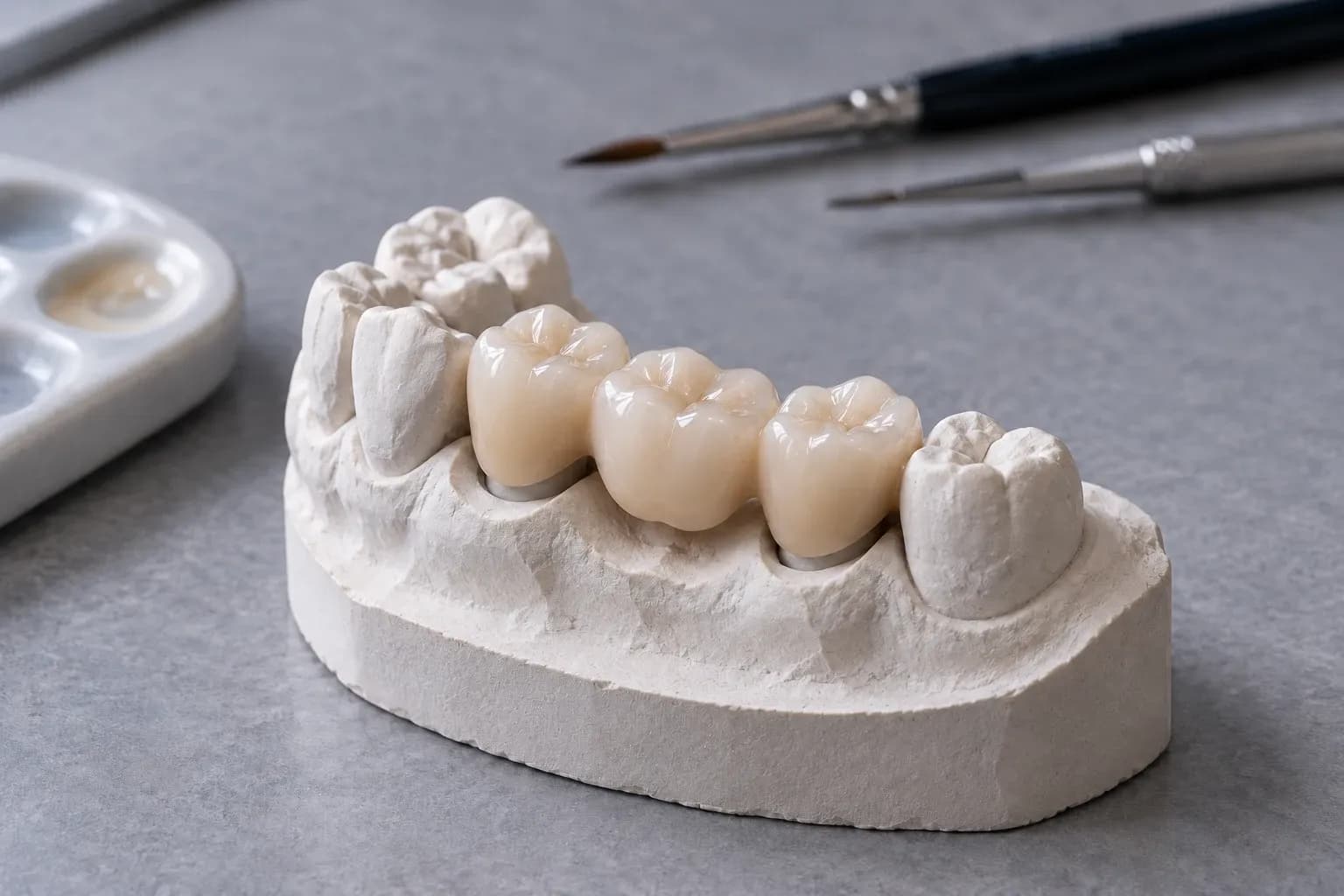
Crowns and bridges help restore damaged teeth and molars. This page provides you with insight into the differences, preparation, maintenance, and alternatives.
View options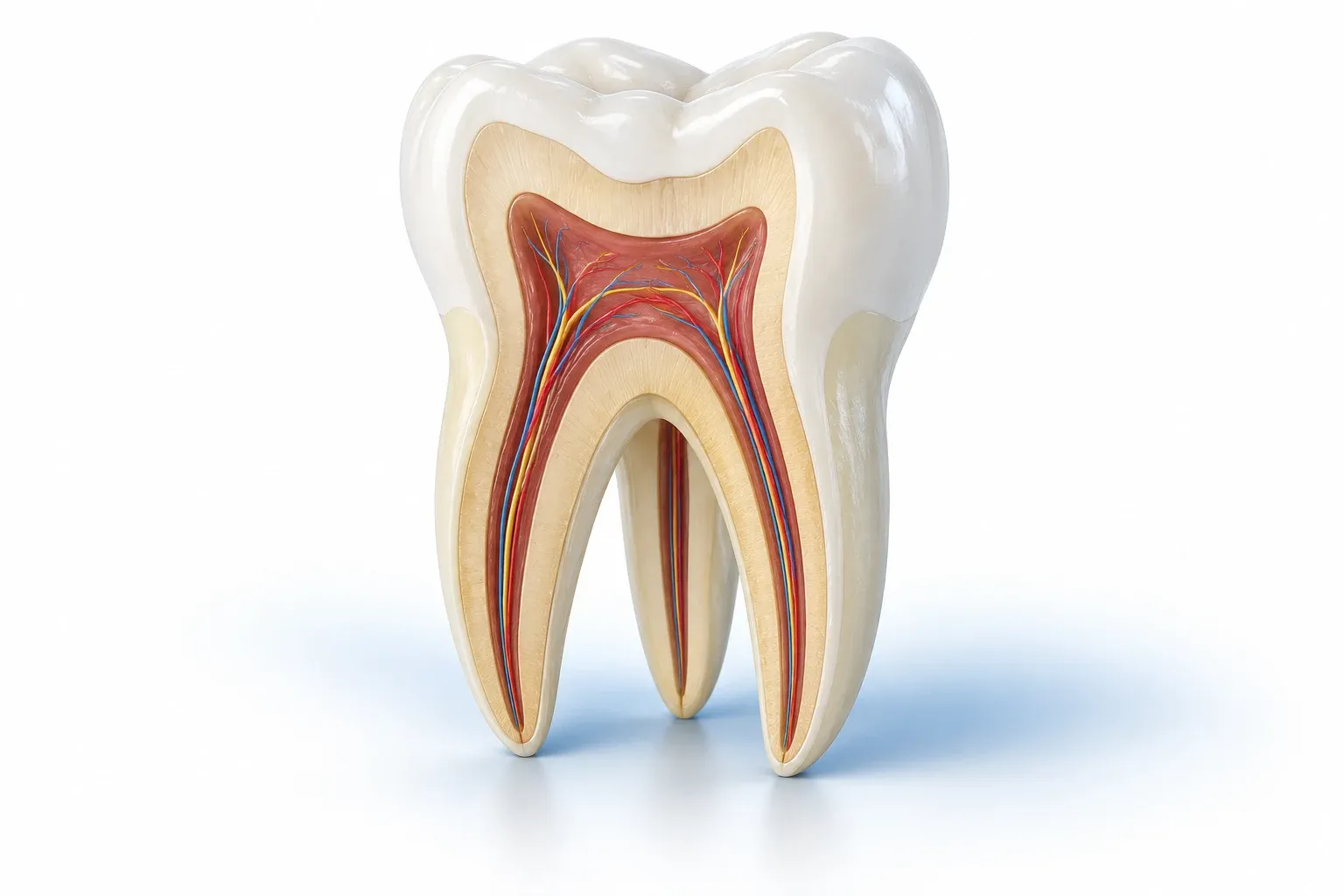
A root canal treatment helps with inflamed dental tissue. On this page, you will find information about the diagnosis, treatment steps, and aftercare.
View options