
Your first visit
Are you not yet a patient with us? Read how to register and how the first appointment goes. In your application, you can already explain your questions and wishes.
Information for new patientsInsight into periodontal diseases, their treatment, and the importance of good oral maintenance.
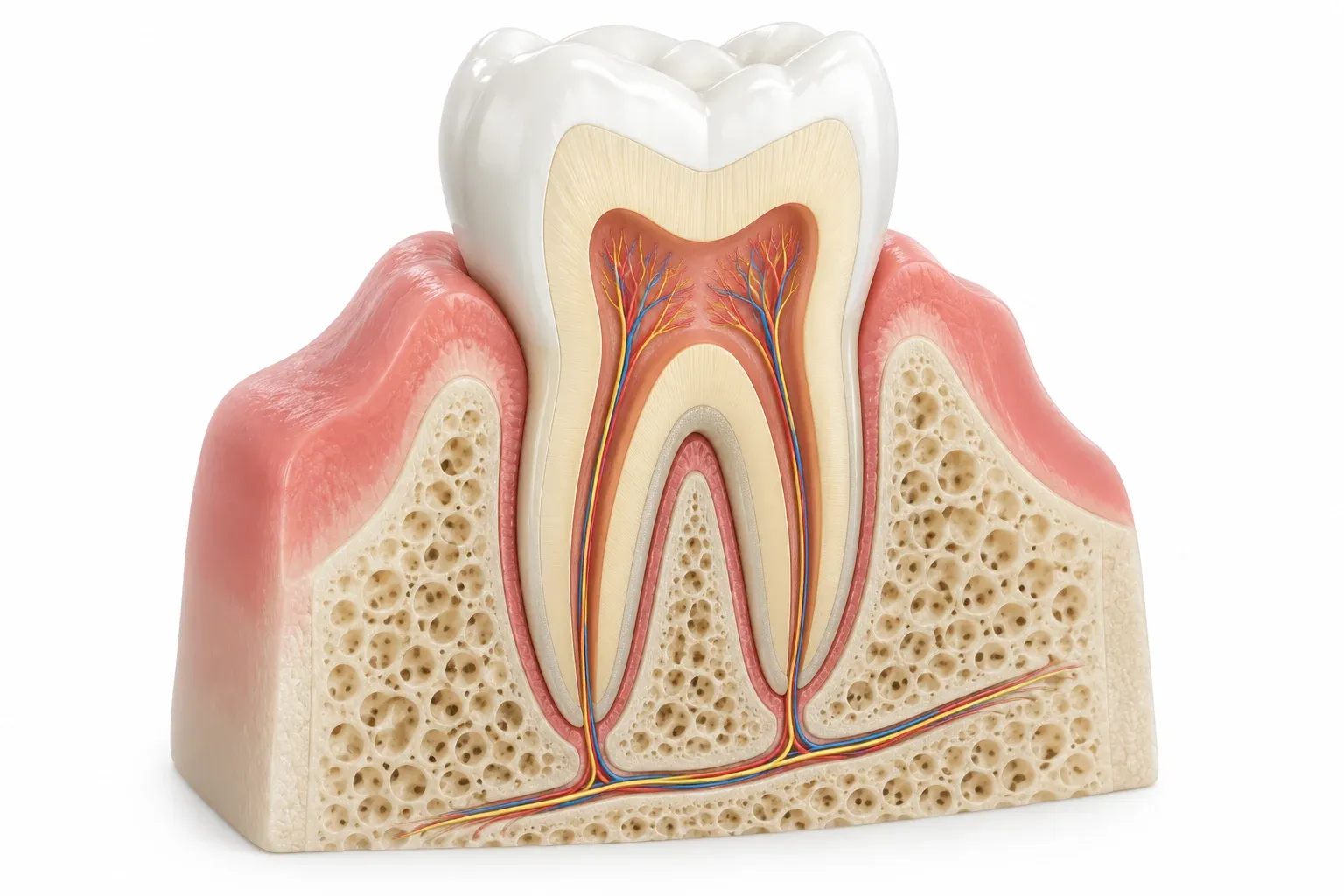
Discover the differences between superficial inflammations and deeper loss of supporting tissue, risk factors, and the importance of regular maintenance for your teeth.
Periodontal diseases are inflammations of the tissue that supports the teeth. They range from mild inflammations, such as gingivitis, to more severe forms like periodontitis, where there can be loss of supporting tissue and bone. It is crucial to recognize and address these conditions in a timely manner to prevent further damage to your teeth. In this text, we discuss the differences between superficial inflammations and deeper loss of supporting tissue, the necessity of examination, risk factors, and the importance of regular maintenance.
Superficial inflammations, such as gingivitis, are often the result of a buildup of plaque and can manifest in symptoms such as redness, swelling, and bleeding during brushing. This type of inflammation is generally reversible with good oral hygiene. However, in cases of deeper loss of supporting tissue, such as periodontitis, there is loss of the supporting tissue and bone around the teeth, which can lead to tooth loss if not treated.
It is important to understand the difference between these two conditions, as the treatment and aftercare vary. For superficial inflammations, improved oral hygiene may be sufficient, while deeper loss of supporting tissue often requires more invasive treatments, such as professional cleaning or even surgical interventions.
A thorough examination by an oral health professional is essential for determining the severity of the condition. This examination typically includes checking the gums, measuring pockets (the spaces between the gums and the teeth), and assessing overall oral health. Based on the findings, a treatment plan can be developed that aligns with your specific situation.
Regular check-ups of your teeth are crucial, as periodontal diseases often go unnoticed in their early stages. Early detection can prevent further complications and increase the effectiveness of treatment.
There are various risk factors that can increase the likelihood of periodontal diseases. Smoking, diabetes, genetic predisposition, and poor oral hygiene are some of the most common factors. Stress and an unhealthy diet can also contribute to the development of these conditions.
It is important to discuss these risk factors with your oral healthcare professional so that a plan can be developed together to reduce the risk of periodontal diseases. By being aware of these factors, you can work more effectively on your oral health.
Regular maintenance is essential for maintaining a healthy mouth. This includes not only daily oral hygiene, such as brushing and flossing, but also periodic check-ups and professional cleanings. By properly maintaining your teeth, you can prevent or timely treat periodontal diseases.
Additionally, your oral healthcare professional can advise you on specific products and techniques that can improve your oral health. It is important to follow this advice and adjust your oral hygiene routine as needed.
The costs for the treatment of periodontal diseases can vary depending on the severity of the condition and the required treatments. A simple cleaning may cost less than extensive treatments for tissue loss. It is advisable to clarify the expected costs before treatment.
Additionally, it is important to know that the reimbursement of treatments can differ per health insurer. It may be useful to consult your policy or contact your insurer for more information about reimbursements.
Schedule a visit to your oral care professional for a thorough examination of your teeth.
Take the advice of your oral care professional seriously and adjust your oral hygiene as needed.
Watch for signs of inflammation, such as bleeding gums, and take timely action.
Symptoms of periodontal diseases may include red and swollen gums, bleeding while brushing, bad breath, and receding gums. It is important to take these symptoms seriously and consult an oral health professional.
You can prevent periodontal diseases by brushing and flossing regularly, following a healthy diet, and visiting your oral health professional regularly for check-ups and professional cleanings.
The experience of pain can vary from person to person and treatment to treatment. Many people experience some discomfort during the treatment, but this is usually manageable. Always discuss your concerns with your oral health professional.
It is recommended to have your teeth checked at least twice a year. Depending on your oral health, your oral health professional may advise you to come in more frequently.
Untreated periodontal diseases can lead to more serious problems, such as tooth loss and infections. It is important to take timely action to prevent further damage to your teeth.
Are you not yet a patient with us? Read how to register and how the first appointment goes. In your application, you can already explain your questions and wishes.
Information for new patientsAre you apprehensive about an appointment? Tell us what you are worried about. Read more about our guidance and discuss what explanation or support you would find helpful.
Dealing with fear of the dentistAsk what treatment is being proposed and what costs are associated with it. Do you have questions about payment? Check the information about payment options or contact us.
Payment and payment optionsRequest an appointment, and we will see together what is needed.
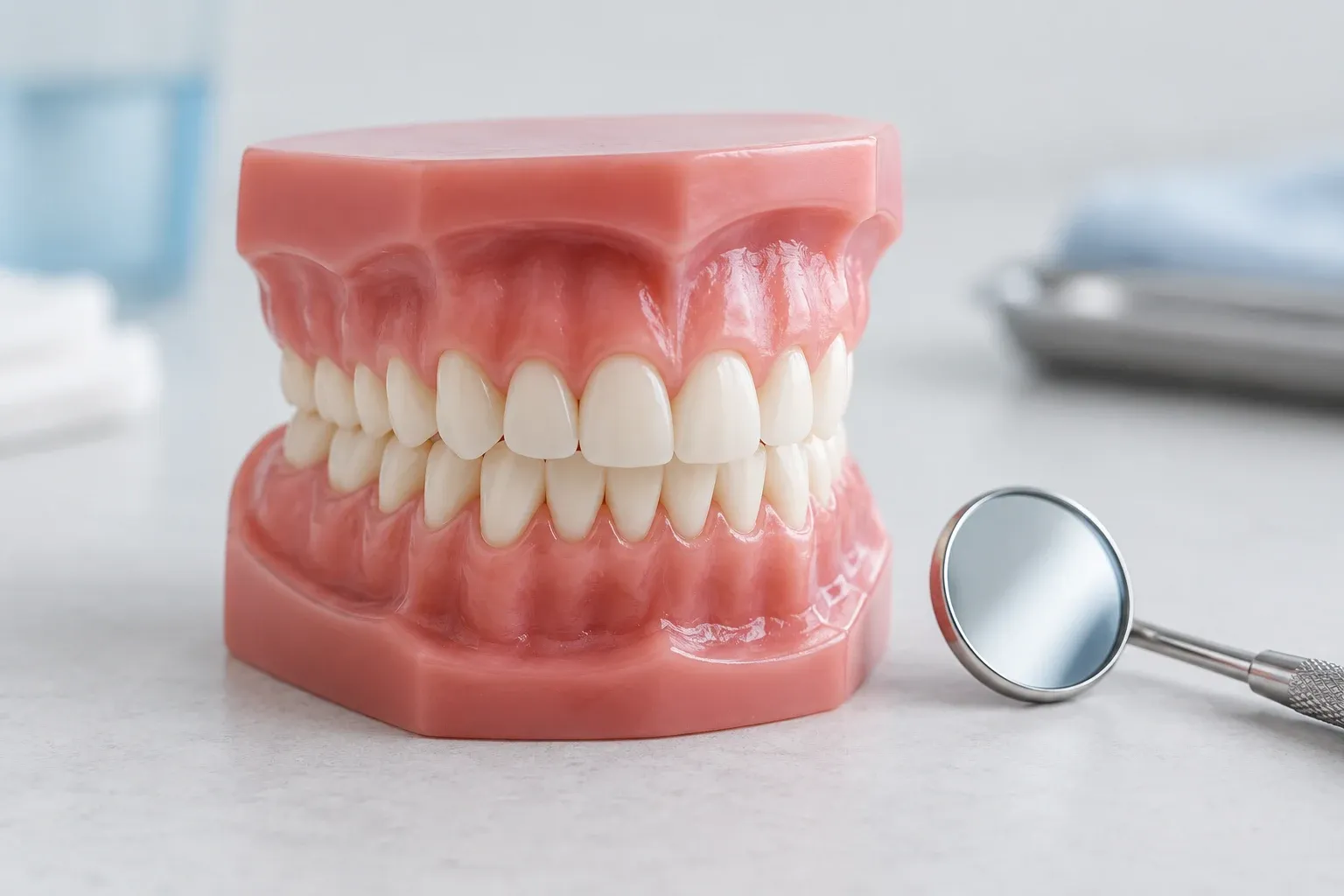
On this page, you will find comprehensive information about gum treatments, including diagnosis, treatment options, and aftercare. Each treatment is tailored to your personal situation.
View options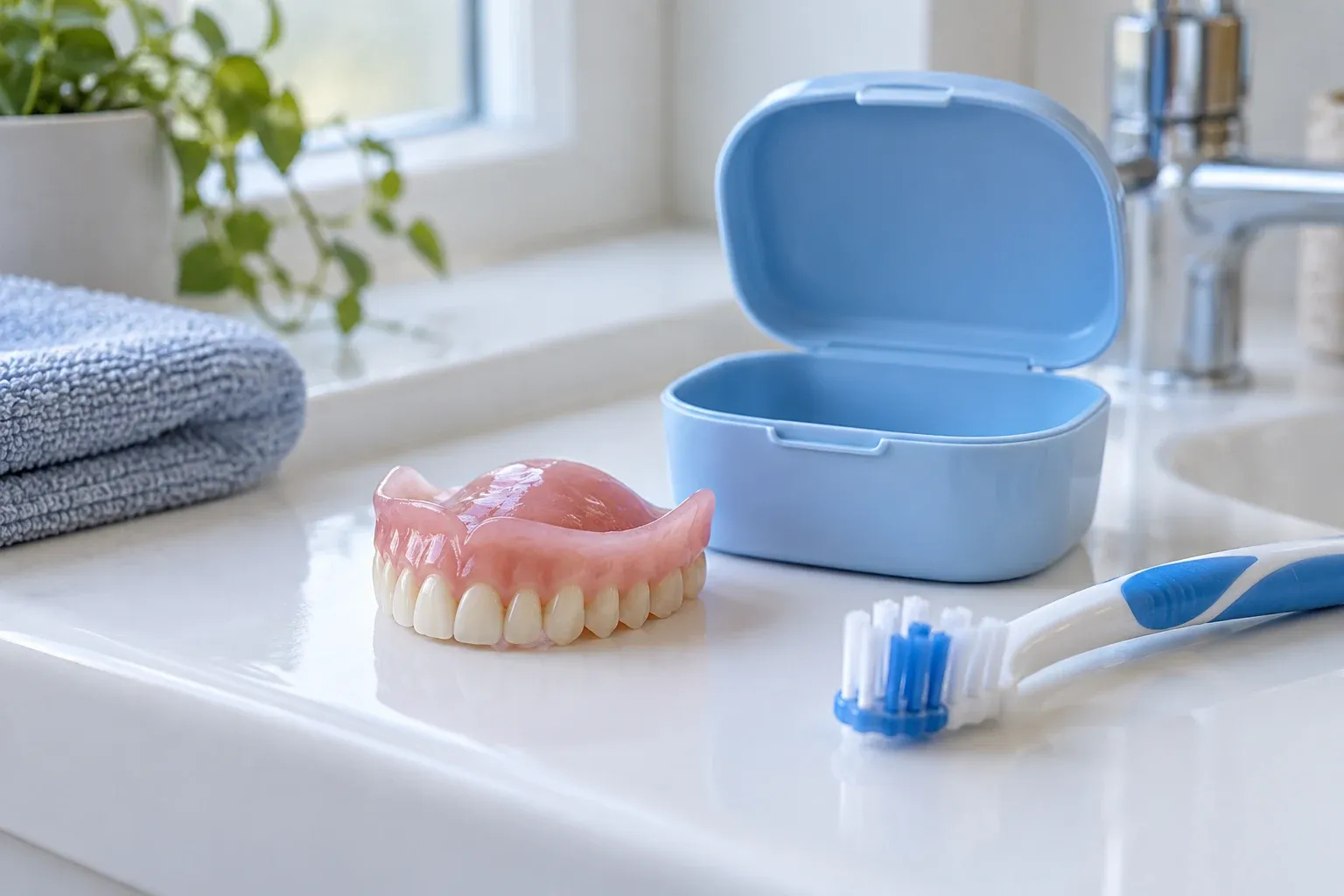
A denture provides a solution for people who have lost their natural teeth. In this guide, we discuss the various aspects of a complete removable prosthesis.
View options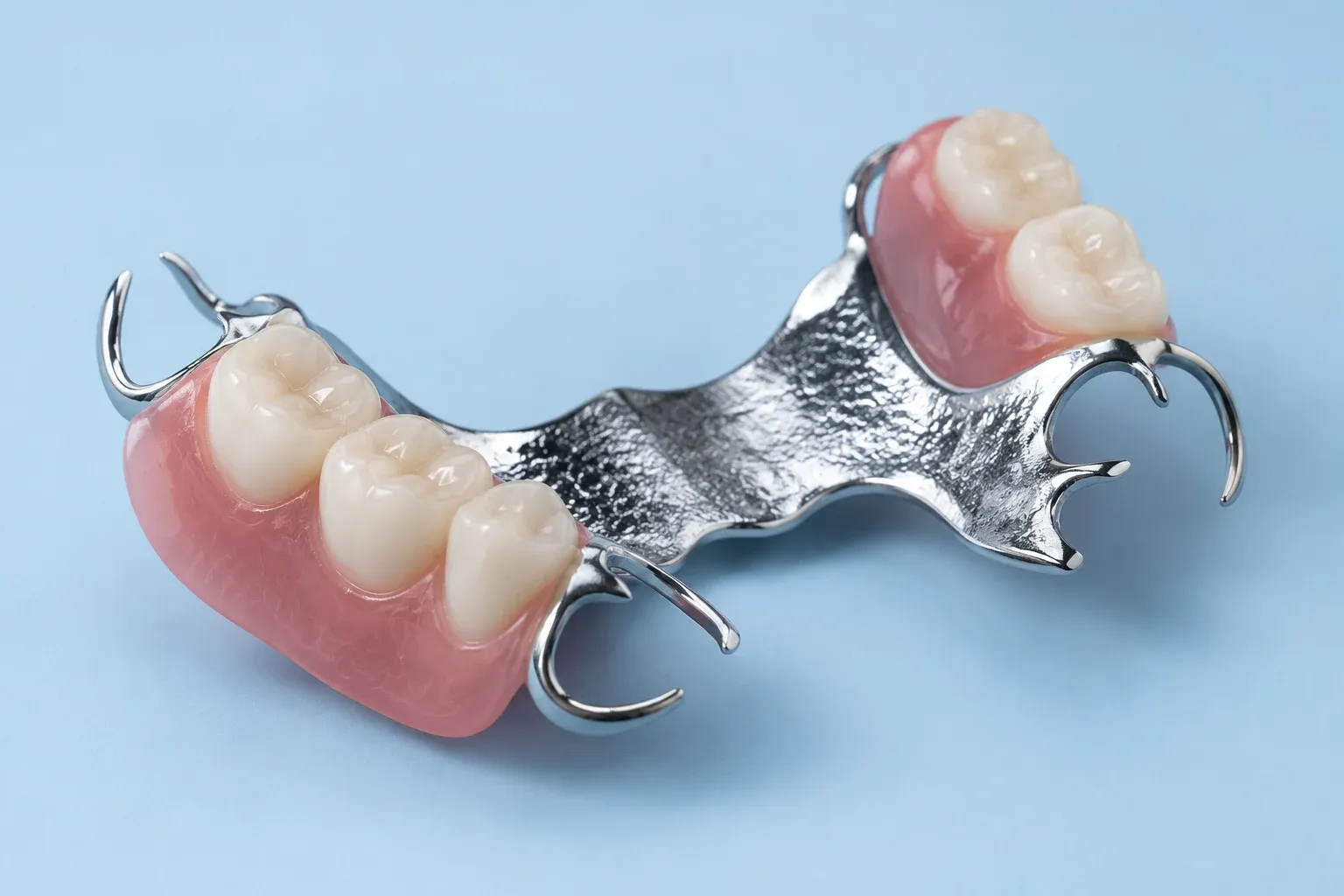
Framework prostheses are removable partial dentures that provide support on natural teeth. In this guide, we discuss the fit, adjustment, cleaning, and more.
View options