
Your first visit
Are you not yet a patient with us? Read how to register and how the first appointment goes. In your application, you can already explain your questions and wishes.
Information for new patientsA healthy mouth starts with healthy gums. Learn more about gum treatments and what to expect.
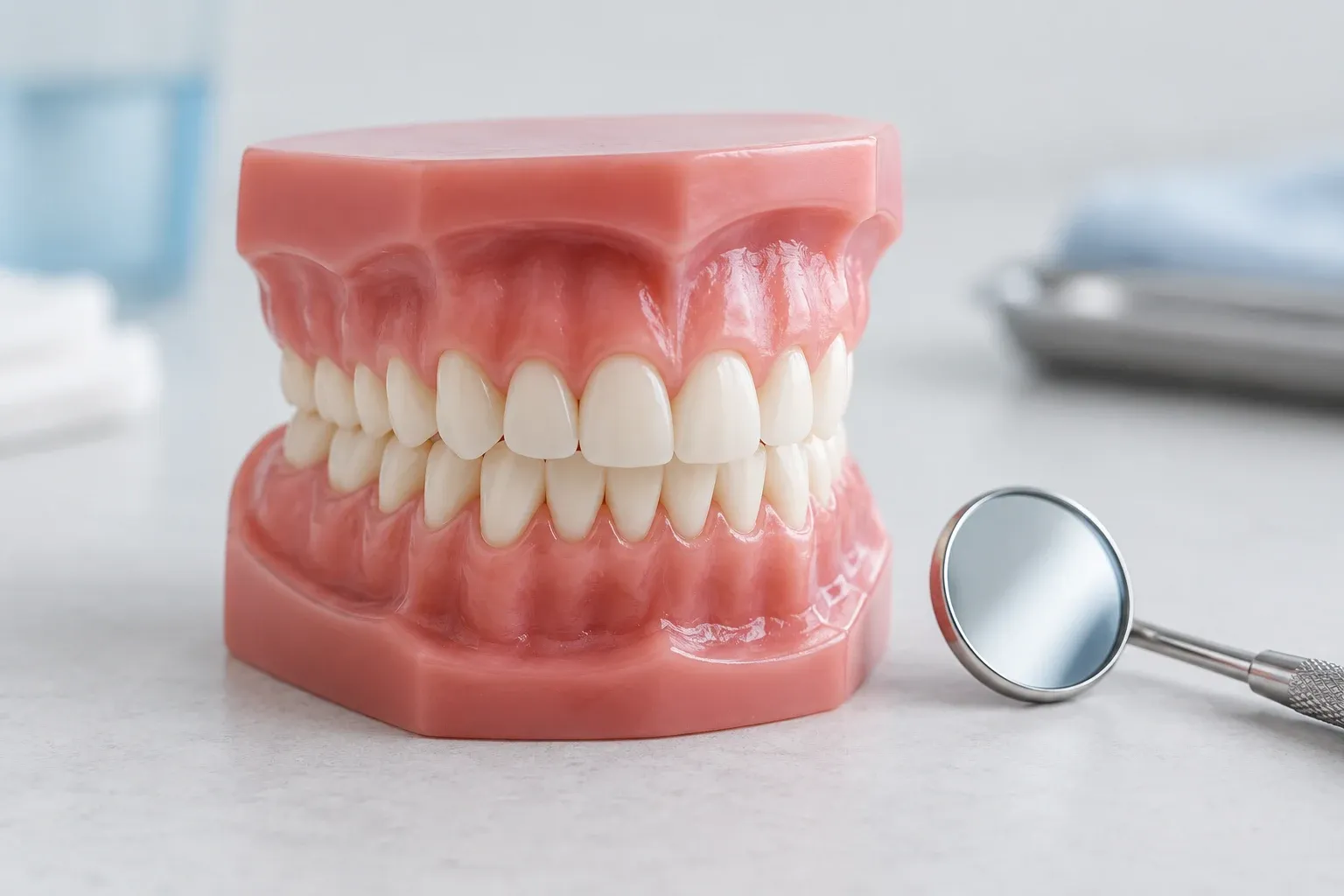
On this page, you will find comprehensive information about gum treatments, including diagnosis, treatment options, and aftercare. Each treatment is tailored to your personal situation.
Gum treatments are essential for maintaining a healthy mouth. Soft tissues, including the gums, play a crucial role in overall oral health. Inflammations or conditions of the gums can lead to serious problems, such as periodontitis. It is important to intervene in a timely manner to prevent further damage to the teeth. In this text, we discuss the diagnosis, treatment options, and aftercare for gum treatments.
Soft tissues in the mouth include the gums, mucous membranes, and other supporting structures. These parts are of great importance for the functioning of the teeth and overall oral health. Healthy gums provide a solid foundation for the teeth and help prevent infections. When the gums become inflamed, this can lead to pain, bleeding, and ultimately tooth loss.
Good oral hygiene is essential to ensure the health of the soft tissues. Regular brushing, flossing, and using mouthwash can help maintain healthy gums. In case of signs of inflammation, such as redness or swelling, it is important to consult a dentist for a proper diagnosis and treatment.
The diagnosis of gum problems begins with a thorough oral examination by the dentist. This involves assessing the health of the gums, the presence of inflammation, and the depth of the pockets around the teeth. This examination helps to determine the severity of the condition and to develop a treatment plan that fits your situation.
In addition to the clinical examination, X-rays may also be taken to assess the condition of the jaw and the underlying structures. Based on this information, the dentist can advise you on the most suitable treatment options. It is important to be open about your symptoms and habits so that the dentist can get a complete picture.
There are various treatment options available, depending on the severity of the condition. For mild inflammations, a professional cleaning may be sufficient to restore the gums. This includes the removal of plaque and tartar, which can reduce inflammation and promote healing.
In more serious cases, a deeper cleaning may be necessary, which also involves treating the roots of the teeth. This helps to remove bacteria that have accumulated beneath the gums. Your dentist will work with you to determine which treatment best suits your situation and guide you through the process.
Aftercare is an important part of any gum treatment. After the treatment, you will receive tailored advice to promote healing and prevent recurrence of problems. This may include instructions for oral hygiene, the use of special mouth rinses, or adjustments to your diet.
Regular check-ups with the dentist are also essential to ensure the health of your gums. By detecting any problems early, further damage to the teeth can be prevented. Your dentist can advise you on the frequency of these check-ups based on your personal situation.
The costs of gum treatments can vary depending on the nature and severity of the treatment. A professional cleaning is generally less expensive than a deeper cleaning or other more invasive treatments. It is advisable to ask your dentist about the costs in advance and inquire about possible reimbursements through your health insurance.
Please note that preventive care, such as regular check-ups and good oral hygiene, can help limit future costs. Investing in your oral health can yield many benefits in the long run.
A thorough oral examination by the dentist to assess the health of the gums and the depth of the pockets.
Based on the diagnosis, a treatment plan will be created that aligns with your personal situation.
The treatment may consist of professional cleaning or deeper cleaning, depending on the severity of the condition.
Receive personalized aftercare advice to promote recovery and prevent recurrence of problems.
Schedule regular check-ups with the dentist to ensure the health of your gums.
Symptoms of gum problems include red, swollen, or bleeding gums, bad breath, and receding gums. It is important to consult a dentist if you experience these symptoms.
It is recommended to visit a dentist at least twice a year for a check-up of your oral health. If you have existing gum problems, more frequent check-ups may be necessary.
Good oral hygiene is crucial. Brush at least twice a day, use dental floss, and rinse with an antibacterial mouthwash. A healthy diet and drinking enough water also contribute to good oral health.
If you ignore gum problems, they can worsen and lead to periodontitis, which can result in tooth loss. Early treatment is essential to prevent serious complications.
Most gum treatments are not painful, but you may experience some sensitivity after the treatment. Your dentist can advise you on any discomfort and how to manage it.
Are you not yet a patient with us? Read how to register and how the first appointment goes. In your application, you can already explain your questions and wishes.
Information for new patientsAre you apprehensive about an appointment? Tell us what you are worried about. Read more about our guidance and discuss what explanation or support you would find helpful.
Dealing with fear of the dentistAsk what treatment is being proposed and what costs are associated with it. Do you have questions about payment? Check the information about payment options or contact us.
Payment and payment optionsRequest an appointment, and we will see together what is needed.
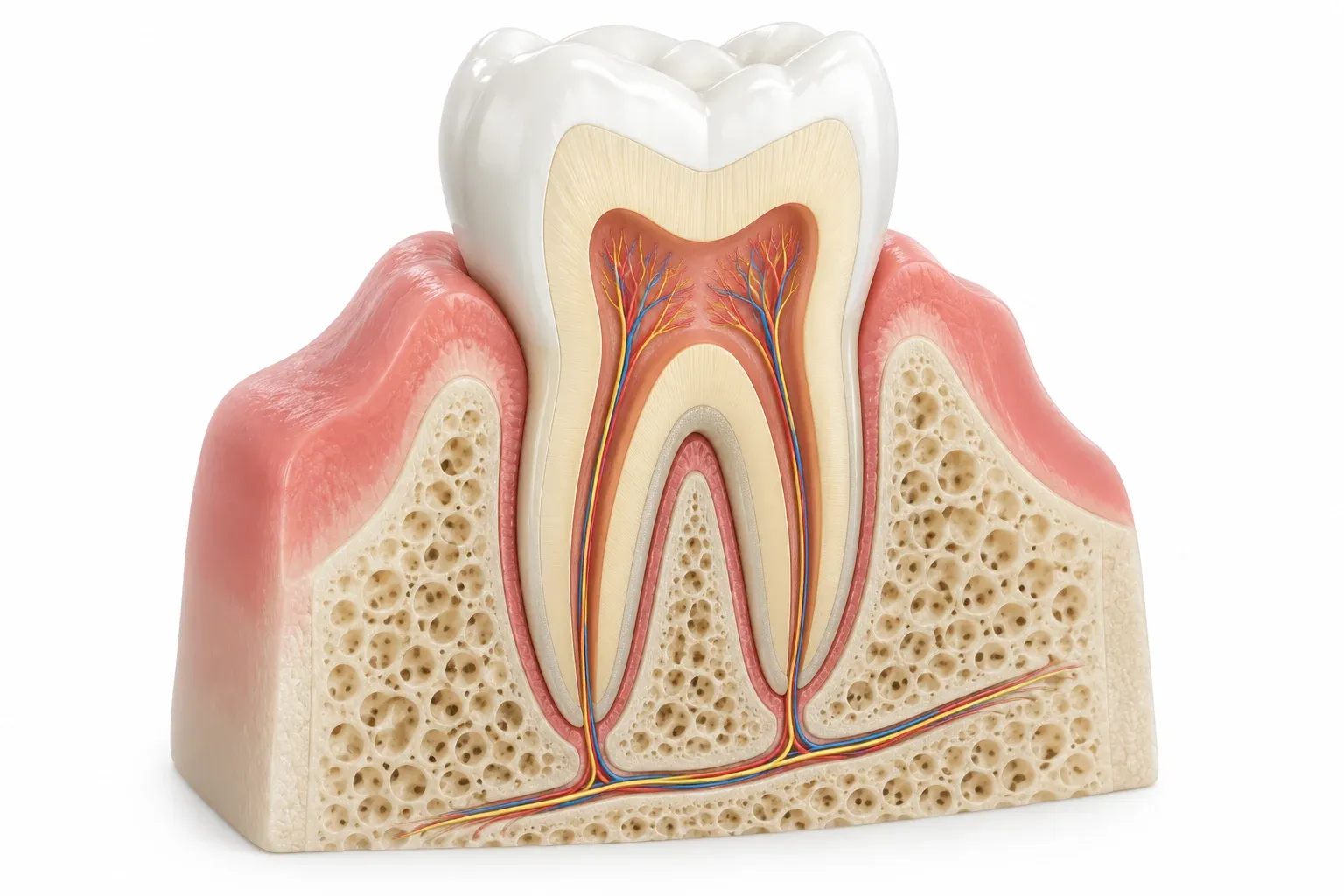
Discover the differences between superficial inflammations and deeper loss of supporting tissue, risk factors, and the importance of regular maintenance for your teeth.
View options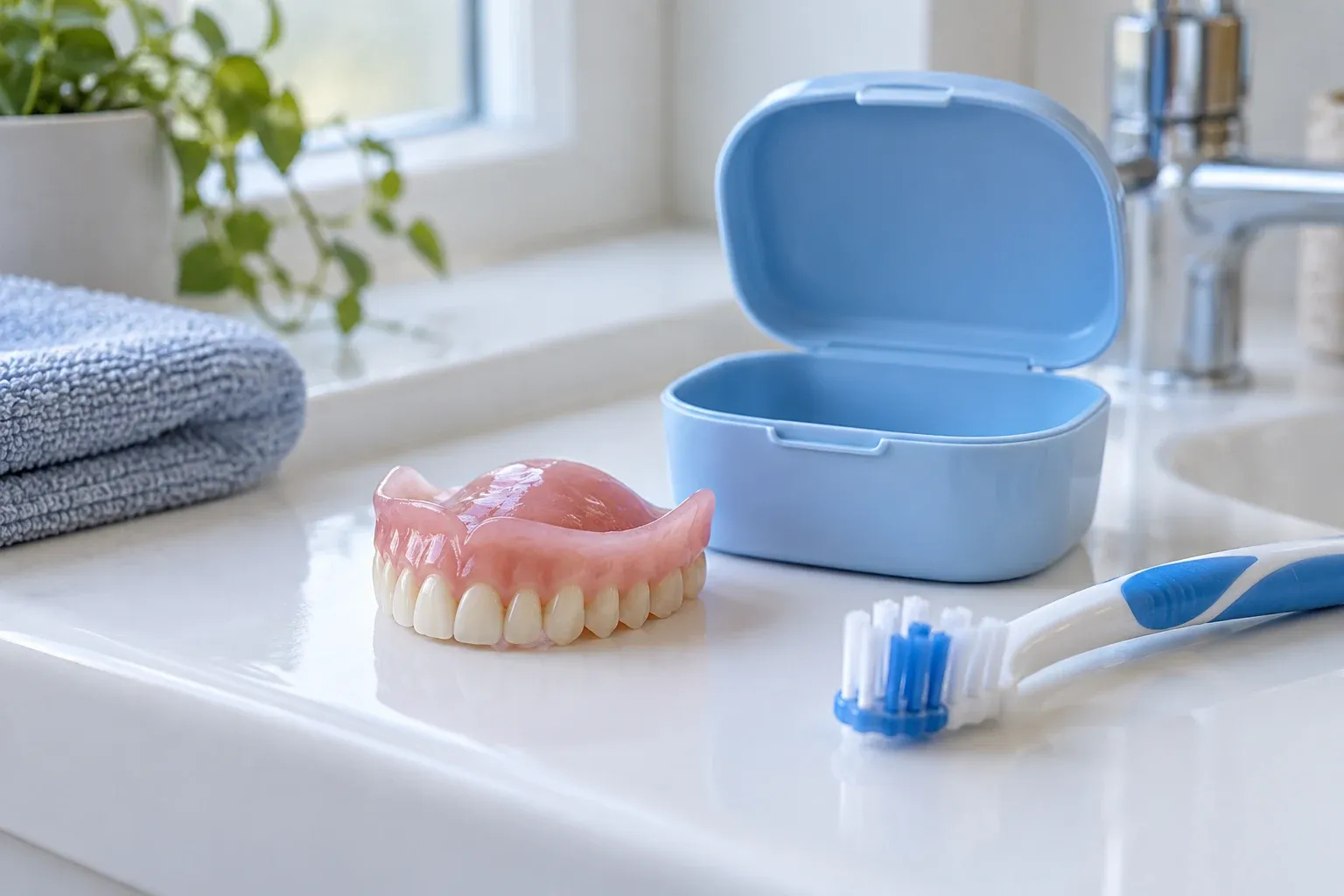
A denture provides a solution for people who have lost their natural teeth. In this guide, we discuss the various aspects of a complete removable prosthesis.
View options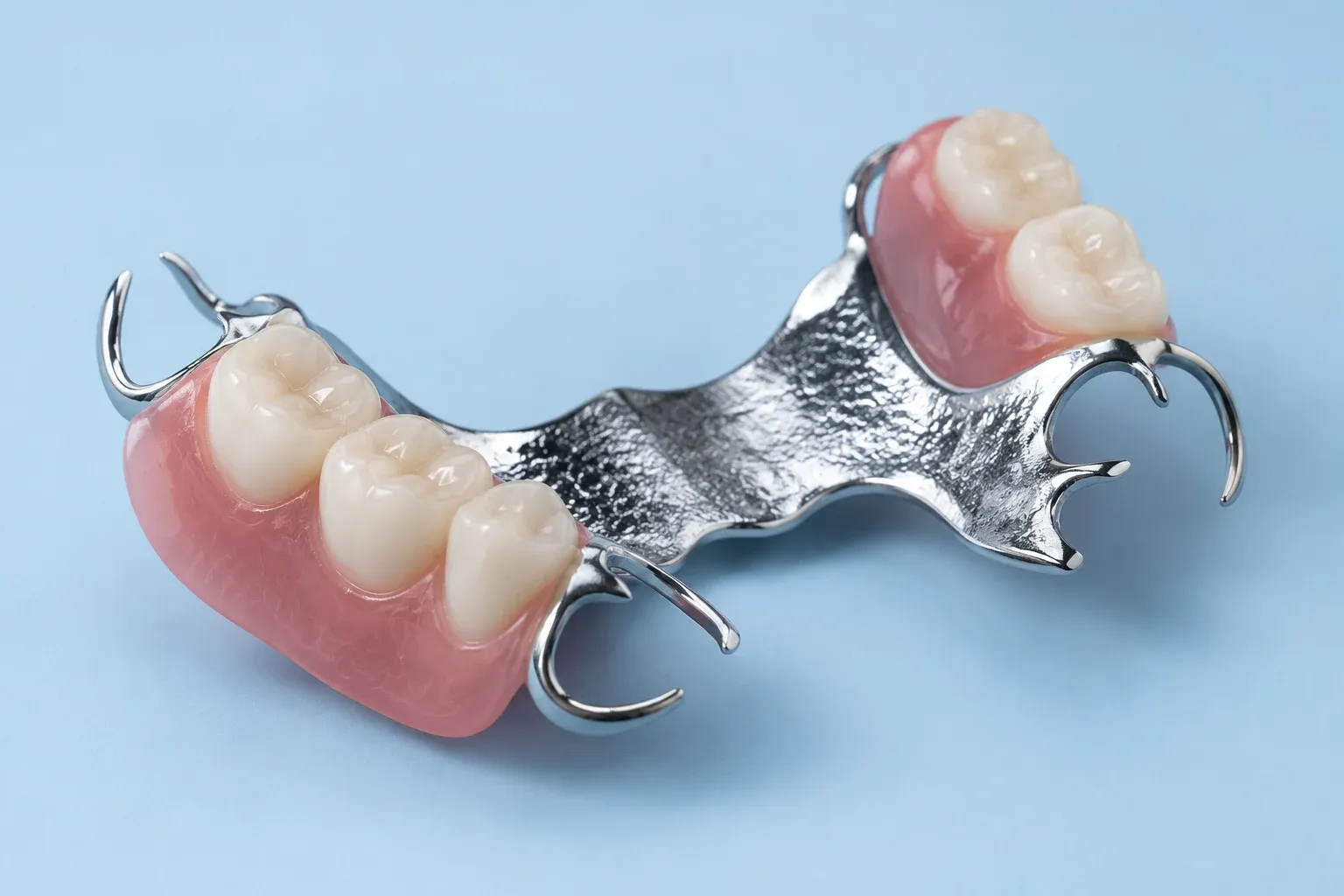
Framework prostheses are removable partial dentures that provide support on natural teeth. In this guide, we discuss the fit, adjustment, cleaning, and more.
View options